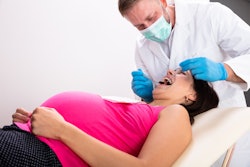
Despite evidence that dental care during pregnancy is safe, confusion still surrounds the topic of dental care during pregnancy, and many patients believe waiting until after the baby is born to visit the dentist is the safest option.
However, according to the American College of Obstetricians and Gynecologists (ACOG), “Ample evidence shows oral health care during pregnancy is safe and should be recommended to improve the oral health and general health of women.” Dental professionals should be prepared to reassure patients that, according to the ACOG and the ADA, preventive, diagnostic, and restorative care is safe and recommended throughout pregnancy.
 Sue Scherer, MEd, RDH.
In addition to safety, it’s essential for dental professionals to educate patients about the oral health changes that may occur during pregnancy. For example, according to the U. S. Centers for Disease Control and Prevention (CDC), up to 75% of pregnant women have gingivitis. This common occurrence is associated with hormonal changes.
The hormonal changes commonly associated with an impact on gingival health include:
- Elevated progesterone levels, which can contribute to gingival inflammation and bleeding.
- Increased estrogen that enhances capillary permeability, predisposing pregnant women to gingivitis and hyperplasia.
Additionally, hormonal changes affect the immune response to bacterial plaque, driving vascular and gingival changes that may increase the risk of periodontal disease during pregnancy. Increased vascular permeability may enhance leakage of periodontal pathogens into the bloodstream.
Xiong et al conducted a systematic review of periodontal disease and adverse pregnancy outcomes. The review looked at 25 studies focused on preterm low birth weight, low birth weight, preterm birth, birth weight by gestational age, miscarriage or pregnancy loss, and pre-eclampsia.
Eighteen out of the 25 studies suggested an association between periodontal disease and increased risk of adverse pregnancy outcome. The review concluded that “periodontal disease, as a source of subclinical and persistent infection, may induce systemic inflammatory responses that increase the risk of adverse pregnancy outcomes.”
Reducing plaque, gingival bleeding, and inflammation is critical to lowering the risk of adverse pregnancy outcomes associated with periodontal disease. Mitigating those risk factors requires a combination of in-office care and daily self-care. During dental hygiene appointments, emphasize self-care strategies to help patients maintain oral health between visits.
All pregnant patients should receive a periodontal evaluation at every hygiene appointment during their pregnancy. Full-mouth probing is key for early detection of changes in gingival health. This information helps determine whether the patient requires additional hygiene care -- such as D4346 (Scaling in the presence of inflammation), scaling and root planing, or more frequent hygiene appointments.
Self-care practices that were sufficient before pregnancy may no longer meet a patient’s current oral health needs. Not all oral care products work the same. Because pregnancy gingivitis is common -- affecting up to 75% of pregnant women -- it’s important to have a list of specific gum-health products that you can recommend for pregnant patients experiencing bleeding or inflamed gums.
For example, TheraBreath, a brand known for its alcohol-free rinses, just introduced a new toothpaste called Healthy Gums that is clinically shown to help heal bleeding gums.* It has a gentle mint flavor with notes of vanilla and green tea to enhance the brushing experience.
Some pregnant patients may have an aversion to strong flavors, and this toothpaste is specifically formulated for an agreeable and gentle mint experience. It also contains stannous fluoride, an active ingredient known for its antimicrobial and plaque reduction properties. TheraBreath Healthy Gums is clinically shown to reduce gingival bleeding by 50% after two weeks** use and prevent plaque buildup. It is an ideal toothpaste to recommend for pregnant patients experiencing gingivitis.
TheraBreath also has a full line of rinses that can be paired with the Healthy Gums Toothpaste for continued oral health support. All the rinses are free from alcohol, sulfates, and dyes, allowing for a no-burn experience.
Additionally, given the high prevalence of pregnancy gingivitis, emphasis should be placed on the importance of daily interdental cleaning for all pregnant patients.
While dental floss has long been considered the gold standard, many patients dislike using string floss. Discuss the methods patients have tried in the past to determine whether a new recommendation is needed. Alternatives to traditional string floss include interdental brushes, floss handles, or a water flosser (e.g., Waterpik). Finding a product the patient likes and will use daily is key to effective interdental cleaning.
Oral health during pregnancy is essential for both maternal and fetal well-being. With clear guidance from ACOG and ADA confirming the safety and importance of dental care, dental professionals should feel confident recommending and providing treatment throughout pregnancy.
Combining in-office care with effective self-care strategies, including clinically proven oral care products and daily interdental cleaning, can significantly reduce the risk of gingivitis, periodontitis, and related adverse pregnancy outcomes. By prioritizing oral health during pregnancy, we help protect overall health and set the stage for a healthier future for both mother and child.
Editor’s note: References available upon request.
* After eight weeks use of twice-daily brushing.
**In a clinical study, with twice-daily brushing versus a regular toothpaste.
Sue Scherer, MEd, RDH, has been a dental hygienist for more than 23 years. She has experience as a chairside clinician, dental hygiene program instructor, a continuing education speaker, author, and professional relations manager. Scherer is a member of the American Dental Hygienists' Association, the New Jersey Dental Hygienists' Association (NJDHA), and the American Academy of Dental Hygiene. She is a past president of the NJDHA and active with its advocacy task force.
The comments and observations expressed herein do not necessarily reflect the opinions of DrBicuspid.com, nor should they be construed as an endorsement or admonishment of any particular idea, vendor, or organization.