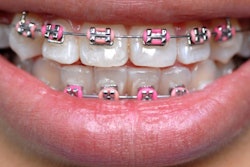
Though clear aligners (CAs) and traditional orthodontics contribute to environmental pollution, braces may not be as bad because they are recyclable. The review was published recently in the International Journal of Dentistry.
Future studies should focus on bettering recyclable polymers, innovating sustainable production methods, and optimizing clinical workflows, the authors wrote.
“TMA (traditional multibracket appliance) appears more sustainable due to its recyclability and reduced waste generation,” wrote the authors, led by Dr. Antonino Peluso of the University of Chieti-Pescara Dentistry in Italy (Int J Dent, January 9, 2026, 2304712).
The goal of the review was to examine and compare the environmental impact of TMAs and CAs across five areas, including manufacturing processes, raw material pollution, clinical management, waste generation, and recycling potential. A comprehensive search of electronic databases was conducted to identify relevant literature, they wrote.
Included sources consisted of reviews, systematic reviews, epidemiological studies, and life cycle assessments focused on the environmental aspects of orthodontic materials and treatments. The selected articles were categorized by manufacturing processes, production-related environmental impact, clinical management, and waste generation with recycling potential. In total, 34 sources published between 2003 and 2004 were analyzed.
TMAs are primarily made from stainless steel and alumina, while clear aligners use thermoplastic polymers such as polyethylene terephthalate (PET), glycol-modified PET, and polyurethane. Although stainless steel production generates higher carbon dioxide emissions, it is more recyclable than aligner materials. The manufacturing of CAs requires more energy and produces larger amounts of nonrecyclable plastic waste, they wrote.
Beyond materials, the environmental impact of orthodontic care was strongly influenced by clinical management factors such as treatment duration, visit frequency, and emergency appointments. While TMA visits were reported to be longer, CA treatments generally resulted in a higher overall ecological footprint due to the greater number of appointments required.
The study had limitations, including that data were based on life cycle assessments of raw materials rather than orthodontic-specific studies, so precise numerical comparisons were limited, the authors added.
“Clinicians can help lower the ecological footprint of orthodontic care by accurate treatment planning in order to reduce visit frequency and treatment duration,” Peluso and colleagues concluded. “In addition, digital dental monitoring, recyclable materials, and the minimum use of disposable items can further enhance sustainability.’