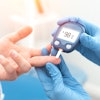
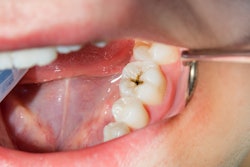
Potassium levels in dental calculus -- mineralized dental plaque that may preserve biochemical markers of systemic health -- may be a possible indicator of diabetes. The study was published in BMC Oral Health.
This study, which is believed to be the first to detect diabetes via dental calculus analysis, shines a light on the potential feasibility of incorporating the analysis of dental calculus, collected during routine dental treatments, for early diabetes detection, the authors wrote.
“This approach provides a cost-effective and painless alternative to traditional diagnostic methods,” wrote the authors, led by Dr. Karoly Tőkési of the HUN-REN Institute for Nuclear Research in Hungary (BMC Oral Health, January 10, 2026).
In addition to systemic inflammation, diabetes mellitus is characterized by an elevated risk of developing oral diseases. Since dental calculus may reflect biochemical changes over time, it may offer an accumulative record of oral and overall health conditions, according to the study.
To explore whether valuable health information could be extracted from dental calculus, calculus samples were analyzed for potassium using scanning electron microscopy combined with energy dispersive x-ray spectroscopy. The analysis was completed in 40 healthy patients and 17 with type 2 diabetes.
Potassium was found in the samples of all 17 patients with diabetes. Heightened potassium levels in diabetic patients compared to healthy patients were 0.484 ± 0.710 wt.% versus 0.186 ± 0.320 wt.%. In atomic percentage values, potassium levels were 0.249 ± 0.387 versus 0.092 ± 0.174; p = 0.0555, the authors wrote.
Nevertheless, the study had limitations, including that it did not control for factors, including dietary potassium intake, medications, and kidney function, that may affect potassium levels, they wrote.
Studies with larger, well-characterized populations are needed to validate these findings, the authors wrote.
“Our findings support the idea that dental calculus may serve as a biomarker for systemic conditions such as diabetes mellitus,” Tőkési and co-authors wrote.